
How to care for an aloe vera plant indoors
By Succulent Hub|October 21, 2026
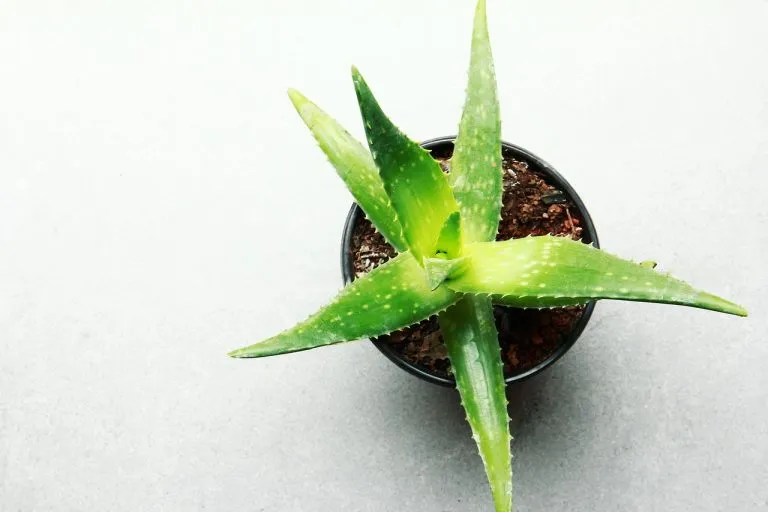
Aloe vera is a sun-hungry plant that’s hardy outdoors only in USDA zones 10–12, so across most of the US you’ll grow it as a houseplant. Three things matter most: put it in your brightest window, plant it in a gritty mix in a pot that drains, and water only after the soil has dried out. Many common problems, especially rot, come from overwatering.
Light and the best window
Aloe vera grows best indoors in bright light to full sun, which makes a south or west window the right spot. It won’t do well in shade, and it doesn’t like a humid room, so a steamy bathroom is a poor choice even if it’s bright. It’ll tolerate sitting near a radiator.
Some growers find their aloe browns in harsh direct sun, which seems at odds with the full-sun advice. If that happens, move the plant out of it.
How often to water aloe vera
Water deeply but infrequently. When you do water, soak the soil until the excess runs out of the drainage holes, then let it dry before you water again. Roots can rot if the soil stays moist.
How dry is dry enough varies a bit. NC State Extension says to let the soil dry out completely, while some growers wait until it’s almost dry and find that works out to about once a month indoors. Cut back in winter: the RHS advises watering hardly at all then.
Soil and pot
Use a gritty, very well-drained mix. A cactus and succulent mix with extra perlite or pumice added works, or you can blend multipurpose peat-free compost with 50% sand and/or grit. Skip all-purpose potting soil on its own, since it holds too much water and can lead to root rot.
Pick a pot with several drainage holes. Clay is best.
Temperature and summers outdoors
Normal room temperatures suit aloe vera, and some growers keep theirs happy anywhere from 55 to 85°F. You can move a potted plant outside for the summer, but bring it back in before nights fall below about 50°F (10°C). A brief dip just below 32°F (0°C) may mar the leaves, and sustained freezes can kill the crown.
Feeding and flowers
You don’t have to feed aloe vera, but a liquid feed once a month during the growing season, April through September, encourages growth and flowering. Don’t feed in winter.
Don’t expect blooms on a young plant. Aloe vera only sends up a flower stem once it’s at least three years old. The flowers are tubular, orange to yellowish, and open from the bottom of the spike up.
What the leaves are telling you
A healthy aloe vera is vibrant green, with firm, plump leaves growing upward.
Pinkish to reddish leaves aren’t a sign of disease. That color shows up in bright light, especially in winter, and it’s harmless stress coloration, so there’s nothing to fix.
Wilting leaves suggest the plant needs more water. Mushy leaves, rotting roots or sticky residue on the leaves point the other way: stress from overwatering, too little light, or pests.
Brown leaves are harder to read because they have several possible causes: overwatering, underwatering, direct sun exposure, or pests and diseases. Cut away the dead brown parts first. Then check how wet the soil is, move the plant out of harsh direct sun if it’s been sitting against hot glass, and look it over closely for pests or disease.
Rot, pests and diseases
Aloe vera is prone to root rot, basal stem rot and aloe rust, and these mostly come from overwatering or poor drainage. The gritty mix, the draining pot and sparing watering are your main defense. Remove any dead or diseased parts you find, and keep air moving around the plant so the leaves stay dry.
The insect pests to watch for are mealybugs and aphids. Scale, leaf spot and sooty mold can also turn up.
Keeping aloe vera away from pets
NC State Extension lists aloe vera as low-severity poisonous to cats, dogs and horses. The latex in the outer leaf is toxic if a pet eats it, so keep the plant somewhere your animals can’t reach.
About the author

The Essentials
 How To Water Indoor Succulents – A Complete Guide
 How To Tell When Your Succulent Has Become Over Or Under Watered
 What Is The Best Type Of Soil For Succulents and Cacti In Pots?
Related Posts
- Sansevieria Care : How To Care For Snake Plants
- Jade Plant Care And Propagation (Crassula Ovata)
- Sempervivum Plants – How To Care For And Propagate
- Succulents and Cacti: What Is The Difference?